The cryptocurrency ecosystem consists of numerous blockchains, which means that if you want to take advantage of various opportunities in the space, you’ll likely need to transfer tokens from one to another sooner or later.
Crypto bridges allow users to send their digital assets from one blockchain to another, enabling them to make the best of decentralized finance opportunities on different blockchain platforms.
In this article, we are going to examine some of the best crypto bridges available in the market today and go over their features.
List of the best crypto bridges:
- Across Bridge – Fast and secure bridge for Ethereum layer 2 transfers
- Orbiter Finance – Cross-rollup bridge focused on low fees and instant transfers
- Stargate – Token bridge with a diverse range of supported platforms
- deBridge – Decentralized bridge supporting arbitrary cross-chain messaging
- Celer cBridge – Celer’s token bridging solution
- Portal Token Bridge – A bridge for both EVM and non-EVM blockchains
- Hop Protocol – Bridge specialized for Ethereum layer 2s
- NEAR Intents – Top bridging aggregator with the best UI
Examining the best crypto bridges for transferring tokens between blockchains
In the following sections, we are going to look into the best blockchain bridges. Before we get started, it’s important to point out that crypto bridges are a relatively new concept, and they are responsible for handling large amounts of crypto. This makes them a popular target for hackers. While the security of crypto bridges is getting more robust by the day, you should still be aware that using them isn’t completely risk-free.
Note that the monthly volume and daily transactions stats reflect the data collected in February 2026. Data was sourced from DeFiLlama and Token Terminal.
1. Across Bridge – Fast and secure bridge for Ethereum layer 2 transfers
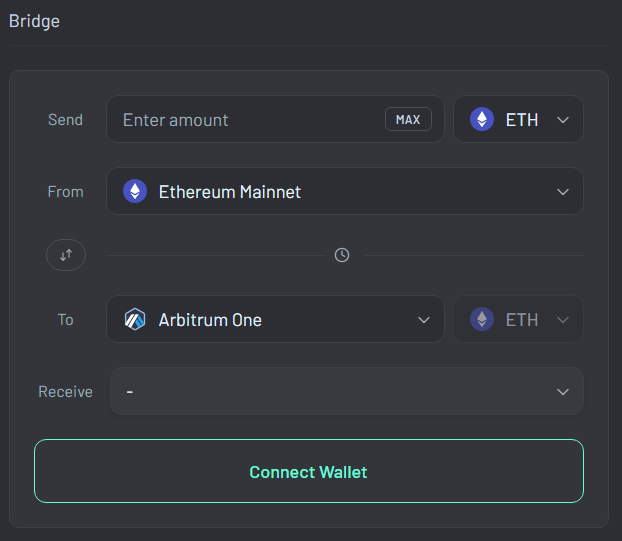
Across Bridge is a cross-chain interoperability protocol designed to provide the fastest and lowest-cost bridging services. It allows users to transfer assets between different blockchain networks efficiently. The protocol utilizes a system of cross-chain intents, enabling streamlined and user-centric interactions with decentralized applications (dApps). These intents are powered by a modular setup, including a request for a quote mechanism, competitive relayers, and a settlement layer.
Across Bridge is one of the most active crypto bridges in the cryptocurrency sector. On October 9 alone, it handled over 30,000 transactions, more than any other bridge in that time period. In the last 24h, the bridge handled a whopping $12 million in cross-chain transactions, primarily on Ethereum and Arbitrum networks.
| Monthly Volume | $1.13 billion |
| Daily Transactions | 30,800 |
| Supported Blockchains | Arbitrum One, Base, Ethereum, Linea, Optimism, Polygon, ZkSync Era |
2. Orbiter Finance – Cross-rollup bridge focused on low fees and instant transfers
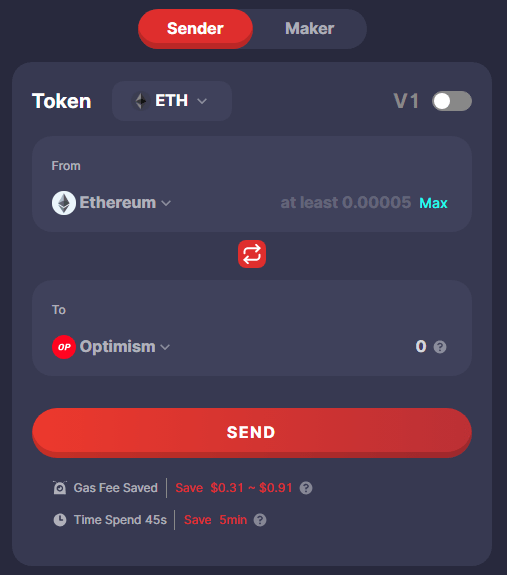
Orbiter Finance is a decentralized cross-rollup Layer 2 bridge. It facilitates fast and efficient asset transfers between various blockchain networks, specifically focusing on Layer 2 solutions. Currently, Orbiter Finance supports zkSync and Arbitrum, with plans to include more rollups in the future. It aims to enhance interoperability and scalability in the Ethereum ecosystem by providing a seamless bridging experience.
The Orbiter bridge supports more than 30 different networks, including Layer 1 and Layer 2 platforms. This makes it one of the bridges with the widest range of supported platforms, which is a great value proposition if you are looking to save up on gas fees by using Layer 2s.
| Monthly Volume | $137 million |
| Daily Transactions | 1,800 |
| Supported Blockchains | Optimism, Blast, Mode, Zora, BEVM, zkSync Lite, Polygon zkEVM, Polygon, Arbitrum Nova, Loopring, Immutable X, Starknet, BNB Chain, Solana, TON, and 10 more |
3. Stargate – Token bridge with a diverse range of supported platforms
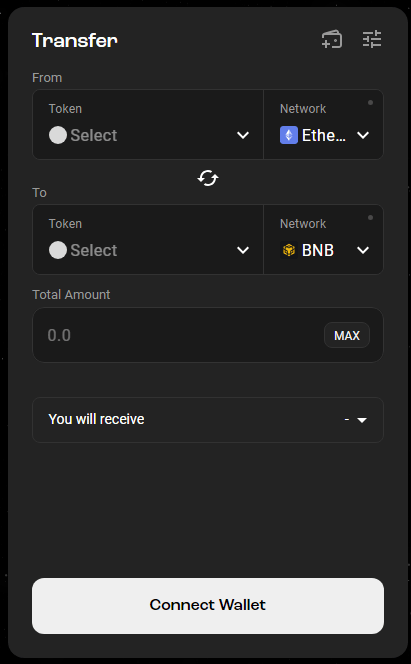
Stargate is a fully composable liquidity transport protocol at the core of Omnichain DeFi. It allows users and decentralized applications (dApps) to transfer native assets across chains using unified liquidity pools with instant guaranteed finality. Stargate supports liquidity provision, where providers earn stablecoin rewards and can farm LP tokens for STG rewards. Additionally, STG token holders can stake to receive veSTG, the governance token, increasing community involvement and governance.
It’s worth noting that Stargate handled more than $465 million in transaction volume over the past 30 days, fourth most among cryptocurrency bridges during the period. Meanwhile, the platform handled over 17,400 transactions, the second-most out of all bridges.
| Monthly Volume | $465 million |
| Daily Transactions | 17,400 |
| Supported Blockchains | Ethereum, BNB, Avalanche, Polygon, Arbitrum, Optimism, Fantom, Metis, zkEVM, zkSync, Base, and 10 more |
4. deBridge – Decentralized bridge supporting arbitrary cross-chain messaging
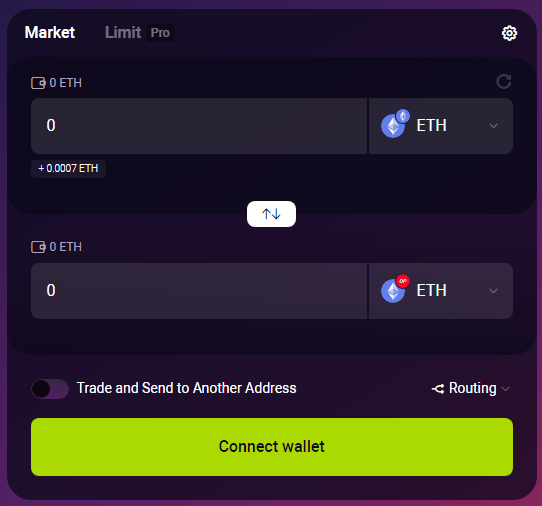
deBridge is a decentralized protocol enabling cross-chain interoperability and liquidity transfers. It allows secure and efficient transfer of data and assets between different blockchains. The protocol is designed for high performance, offering fast finality and minimal slippage. It integrates seamlessly with various blockchain ecosystems, providing developers with tools to build cross-chain applications. Security audits and a bug bounty program ensure the platform’s robustness.
The platform supports all of the most popular blockchain networks, including Ethereum and BNB Chain. However, if you are looking for a crypto bridge that supports the majority of crypto networks, you’ll have to look elsewhere.
| Monthly Volume | $1.48 million |
| Daily Transactions | 22,800 |
| Supported Blockchains | Ethereum, BNB Chain, Polygon, Arbitrum, Avalanche, Solana, Linea, Optimism, Base, Neon |
5. Celer cBridge – Celer’s token bridging solution
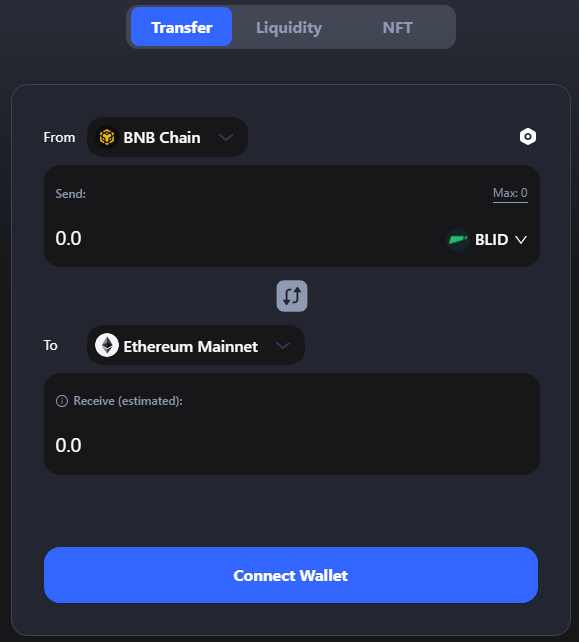
Celer Network is a blockchain interoperability protocol enabling seamless multi-blockchain user experiences for tokens, DeFi, GameFi, NFTs, and governance. It features the Celer Inter-chain Messaging (IM) framework, allowing developers to build inter-chain-native dApps with efficient liquidity and coherent application logic.
Celer cBridge supports fast, secure, and low-cost asset transfers across 40+ blockchains, processing over $14 billion in cross-chain volume. The platform also includes Peti, an omnichain liquidity protocol for zero-slippage trades.
| Monthly Volume | $123 million |
| Daily Transactions | 2,200 |
| Supported Blockchains | Ethereum, BNB Chain, Avalanche, Polygon, Optimism, Arbitrum, Aptos, Fantom, Flow, Base, Linea, Klaytn, and 25 more |
6. Portal Token Bridge – A bridge for both EVM and non-EVM blockchains
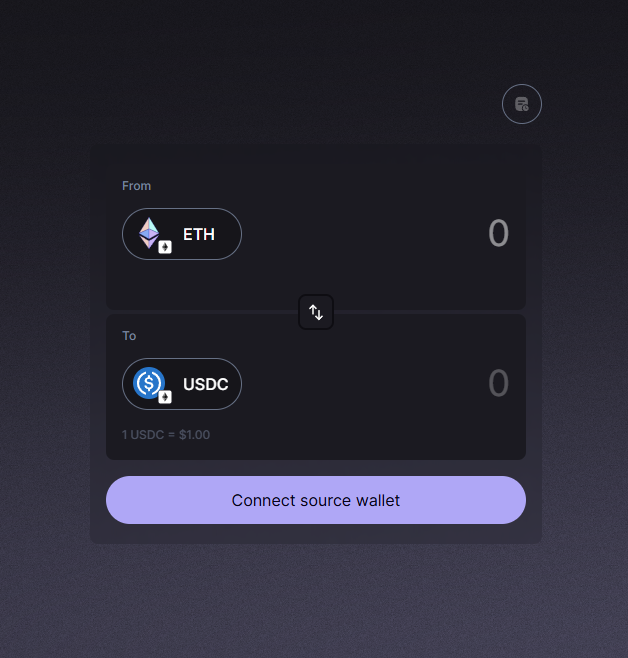
The Portal Token Bridge is a decentralized cross-chain messaging and asset bridge protocol that connects isolated blockchain ecosystems via a network of “Guardians” (validator nodes).
Portal Token Bridge supports fast, low-cost and secure token (and NFT) transfers across 20+ blockchains. The bridging mechanism locks tokens on the source chain and mints wrapped versions on the destination chain, all mediated through the Wormhole messaging layer.
Portal is powered by a set of ~19 Guardians whose signatures validate cross-chain messages. The protocol has been audited by firms such as Trail of Bits and uses upgradable smart contracts under Guardian governance.
| Monthly Volume | $2.17 billion |
| Daily Transactions | 13,000 |
| Supported Blockchains | Ethereum, BNB Chain, Avalanche, Polygon, Optimism, Arbitrum, Aptos, Fantom, Flow, Base, Linea, Klaytn, and 25 more |
7. Hop Protocol – Bridge specialized for Ethereum layer 2s
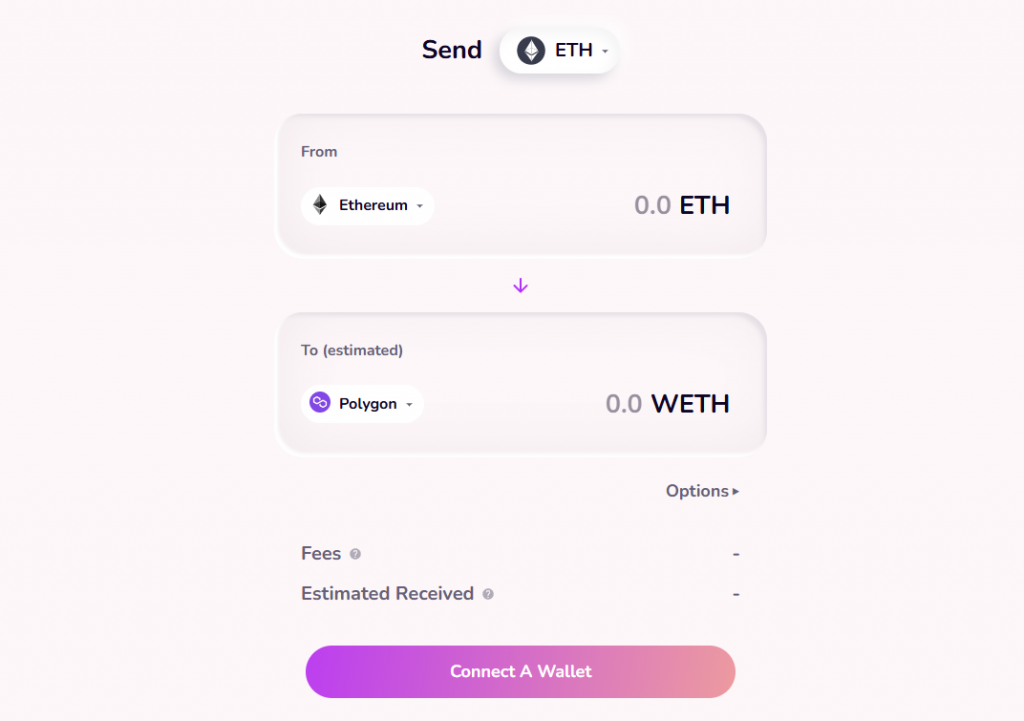
Hop Protocol is a scalable rollup-to-rollup bridge designed to enable fast token transfers between Ethereum and its Layer 2 networks. It uses the Hop Bridge and hToken model, where liquidity providers facilitate instant swaps while canonical bridges handle final settlement.
Hop supports seamless transfers for major assets like ETH, USDC, USDT, DAI, and MATIC across leading Layer 2s including Arbitrum, Optimism, Polygon, Base, and Ethereum mainnet. The protocol is governed by the Hop DAO, giving token holders control over updates and incentives.
Since launch, Hop has processed over $3 billion in cumulative volume and remains one of the most reliable bridges in the Ethereum ecosystem, valued for its low fees and high transfer speeds.
| Monthly Volume | $114,830 |
| Daily Transactions | 128 |
| Supported Blockchains | Ethereum, BNB Chain, Avalanche, Polygon, Optimism, Arbitrum, Aptos, Fantom, Flow, Base, Linea, Klaytn, and 25 more |
8. Hop Protocol – Bridge specialized for Ethereum layer 2s
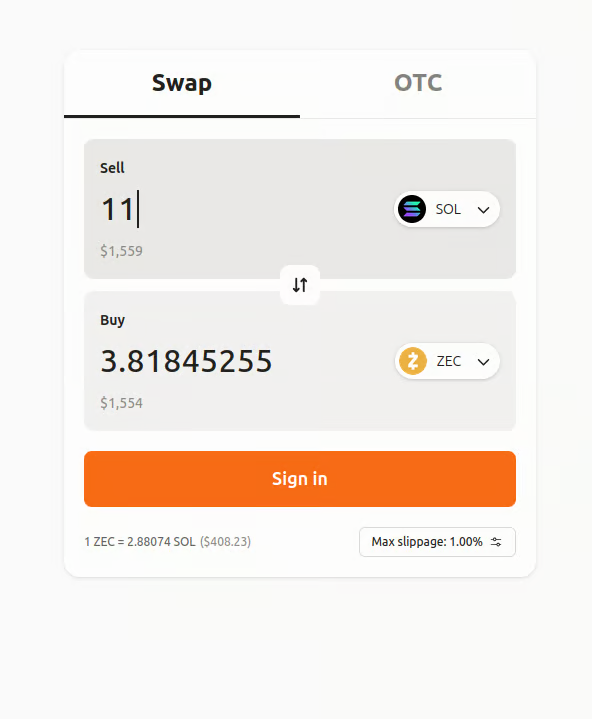
NEAR Intents is a cross-chain protocol that enables seamless swaps between different crypto assets across multiple blockchains. Built on an intent-based architecture, the protocol allows users to define the desired outcome of a transaction, such as swapping SOL for ZEC, while independent solvers compete to execute the trade under the best possible conditions. The most competitive offer is automatically selected, helping users secure favorable rates.
NEAR Intents supports a broad range of blockchains, including many that are not typically covered by standard crypto bridges. Beyond Ethereum, EVM chains, and layer 2 networks, it also connects ecosystems such as Bitcoin, Zcash, and Solana. In addition to its flexibility, the protocol stands out for its smooth user experience. For example, its integration in the Zashi wallet enables seamless cross-chain swaps for Zcash users.
The standalone NEAR Intents application is compatible with multiple crypto wallets, including Phantom, Solflare, OKX Wallet, Coinbase Wallet, and others.
| Monthly Volume | $2.59 billion |
| Daily Transactions | 18,000 |
| Supported Blockchains | Arbitrum, Avalanche, Polygon, BNB Chain, and 10 more |
The bottom line
Cryptocurrency bridges are a necessity if you want to make the best out of opportunities in the decentralized finance space. While they do present some risks, they are the only way of transferring coins and tokens across different blockchains.
If you want to avoid paying high transaction fees, it’s best to use a blockchain that has a low gas fee. Solana is one of the best options in that regard. Check out how much is Solana gas fee for more information.
For additional ideas of which bridges to use, you can watch the following video by CoinCodex.